



What the “Reduced Engine Power” Warning Means on Your Mazda
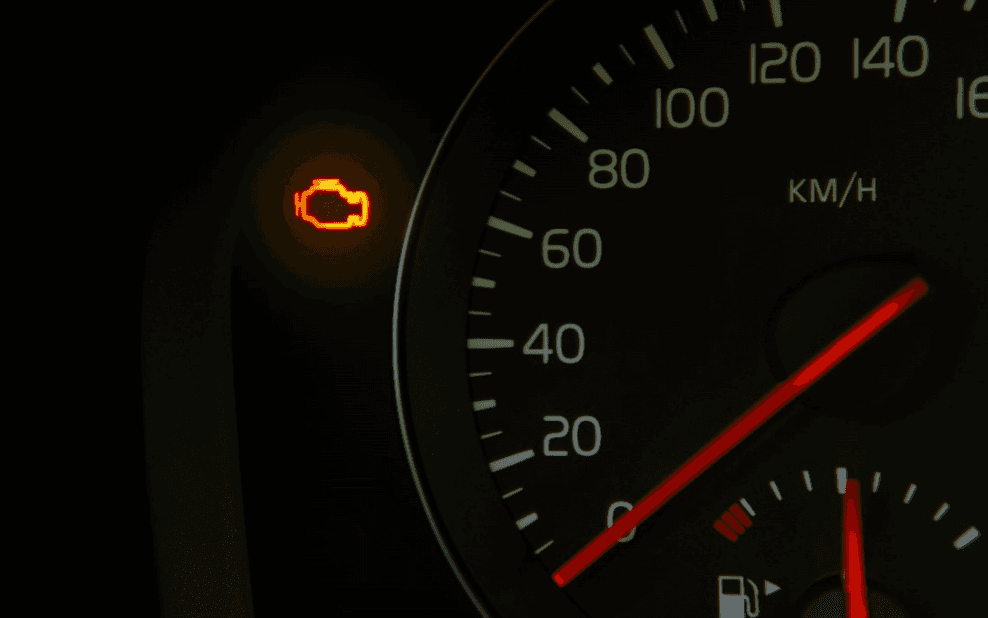
When that warning pops up on your dashboard, panic is usually the first reaction. Here’s what you need to know: the reduced engine power warning actually protects your Mazda, it’s not trying to ruin your day. We’ve walked countless Central Florida drivers through what this message really means and how to handle it properly.
If you’re dealing with this warning right now, schedule a diagnostic appointment with our certified technicians to pinpoint exactly what’s going on with your vehicle.
Understanding the Reduced Engine Power Warning on Your Mazda
The Mazda reduced engine power meaning boils down to this: your car’s computer spotted trouble and immediately cut performance to prevent serious damage. This protective mode (often called fail-safe or limp mode) isn’t some Mazda defect. It’s standard safety tech built into modern cars with electronic throttle control.
Your ECM (engine control module) or PCM (powertrain control module) senses conditions that could wreck your engine or transmission, so it automatically limits power output. You’ll feel sluggish acceleration, reduced top speed, and sometimes rough idling. The system lets you drive carefully to our Mazda service center instead of leaving you stranded. However, continuing to drive normally with an active warning can cause bigger problems.
We see this warning constantly at our Orlando facility with various triggers. Knowing what activates this fail-safe response helps you spot symptoms early and act before small issues turn into expensive repairs.
What Triggers This Fail-Safe Mode in Mazda Vehicles
Multiple systems work together to deliver smooth power in your Mazda3, CX-5, or CX-50. When any critical component fails, your vehicle’s computer immediately restricts performance. The check engine light and reduced engine power combo usually means your ECM has stored diagnostic trouble codes that our technicians can pull using professional equipment.
Throttle System and Sensor Malfunctions
Today’s Mazdas use throttle-by-wire systems rather than mechanical cables connecting your gas pedal to the throttle body. This electronic setup depends on multiple sensors constantly communicating with your PCM. The throttle position sensor watches how far the throttle blade opens, while the accelerator pedal position sensor tracks how hard you press the pedal.
When these sensors fail, send mixed signals, or carbon buildup clogs the throttle body, your ECM can’t properly control airflow into the engine. Result: instant power reduction to prevent damage from erratic engine behavior. Regular throttle body cleaning during maintenance prevents most buildup issues.
Airflow and Fuel Delivery Issues
Your engine demands the perfect air-to-fuel mixture for proper combustion. The MAF sensor (mass airflow sensor) measures incoming air volume, letting your ECM inject exactly the right fuel amount. A dirty or failing sensor sends wrong mixture instructions, triggering reduced engine power codes.
Fuel delivery problems cause similar issues. Clogged fuel filters, failing fuel pumps, or dirty injectors starve your engine of needed fuel. Your ECM realizes the fuel supply can’t handle full power demands and cuts performance. Poor engine performance usually accompanies these fuel system failures, creating noticeable hesitation during acceleration.
Electrical System and Communication Problems
The intricate wiring network connecting sensors, modules, and actuators throughout your Mazda creates potential weak spots. Damaged wiring, corroded connections, or loose ground straps disrupt communication between components. Your ECM might get incomplete sensor data or lose contact with critical systems entirely.
Florida’s humidity speeds up electrical corrosion, making these communication issues particularly common in Orlando vehicles. We regularly find water intrusion in connection points or corroded wiring harnesses during diagnostics. Even a weak battery sometimes causes reduced engine power by creating voltage swings that confuse sensitive electronics.
Engine Performance and Emissions Concerns
Your O2 sensor (oxygen sensor) monitors exhaust gases to fine-tune fuel delivery and maintain emissions compliance. When this sensor fails, your ECM loses crucial feedback about combustion efficiency. A clogged EGR valve (exhaust gas recirculation) blocks proper exhaust flow, causing poor engine performance and potentially triggering fail-safe mode.
Overheating represents another serious trigger. Low coolant levels, failing water pumps, or blocked radiators spike engine temperatures. Your ECM detects this thermal stress and immediately cuts power to prevent catastrophic damage. Central Florida’s heat makes cooling system maintenance especially crucial for preventing temperature-related warnings.
Symptoms You’ll Notice When the Warning Activates
The reduced engine power warning rarely shows up alone. Recognizing these signs helps you understand what’s happening and respond correctly:
| Symptom | Likely Cause |
| Sluggish acceleration / speed limitation | Throttle body malfunction or carbon buildup |
| Check engine light with reduced power message | Sensor failure (MAF, throttle position, O2) |
| Rough idling or stalling | Airflow/fuel delivery issues |
| Decreased fuel economy | Faulty oxygen sensor or EGR valve restriction |
| Difficulty maintaining speed | Electrical system/wiring problems |
| Warning during hot weather | Overheating from low coolant or Florida heat/humidity effects |
Most drivers first notice limited power when trying to merge onto highways or pass other cars. Your Mazda might struggle to break 30-40 mph, making normal driving dangerous. Some experience intermittent symptoms where power returns briefly before the warning reactivates, suggesting loose connections or failing sensors operating at their breaking point.
What to Do When the Warning Light Appears
The second you see this warning, safety and damage prevention become your priorities. If possible, safely pull over and shut off your engine. Wait several minutes for components to cool, then restart your vehicle. Sometimes temporary electrical glitches cause false alarms that clear after restarting.
Warning still there? Don’t force acceleration or attempt highway speeds. Drive carefully to the nearest safe spot, using hazard lights if you’re traveling slower than surrounding traffic. Never brush off the warning or continue driving normally. Continued operation under reduced power can turn a simple repair into major damage.
Call our service team at 321-236-9164 or schedule a diagnostic appointment right away. We suggest having your Mazda towed if the warning activates far from our facility or if you notice other symptoms like unusual noises, smoke, or temperature gauge spikes.
Some basic checks you can safely perform include verifying your gas cap is tight, visually inspecting accessible wiring for obvious damage, and checking coolant levels once your engine has cooled. Accurate diagnosis typically requires professional diagnostic equipment, though.
How Technicians Diagnose the Root Cause
When you bring your Mazda to our Orlando facility, our certified technicians follow a systematic diagnostic process. We start by connecting professional OBD-II scanners that pull DTCs (diagnostic trouble codes) stored in your vehicle’s computer. These codes provide starting points for investigation, though they rarely tell the complete story.
Consumer-grade code readers show basic trouble codes, but determining which sensor causes reduced engine power often requires deeper analysis. Our professional equipment accesses live data streams, letting us monitor sensor outputs in real-time while testing different driving conditions. We can watch throttle position readings, MAF sensor voltages, fuel pressure, and dozens of other parameters simultaneously.
Visual inspection follows the scan. We examine throttle bodies for carbon buildup, check wiring harnesses for damage or corrosion, inspect air filters for blockages, and verify proper connection at sensor plugs. Florida’s humid climate creates unique challenges with moisture-related corrosion that may not trigger specific DTCs but causes intermittent communication failures.
Component testing comes next if initial scans and inspections don’t reveal obvious problems. We might test individual sensors, verify throttle body operation, measure fuel pressure, or perform compression tests depending on symptoms and preliminary findings. This thorough approach ensures we identify root causes rather than guessing at solutions.
Preventing Future Reduced Engine Power Warnings
Proactive maintenance dramatically reduces your risk of seeing this warning. We recommend following Mazda’s scheduled service intervals, which include inspections of critical components like air filters, fuel filters, and spark plugs. Regular throttle body cleaning prevents the carbon buildup that commonly restricts airflow in high-mileage vehicles.
Monitor your Mazda’s behavior between service visits. Catching small issues early prevents them from escalating into fail-safe triggers. Rough idling, hesitation during acceleration, or decreased fuel economy often appear weeks or months before warning lights activate. Addressing these symptoms quickly through professional diagnosis prevents more serious problems.
Maintain your cooling system properly, especially in Orlando’s climate. Regular coolant flushes, radiator inspections, and thermostat checks keep engine temperatures stable. Watch your temperature gauge during hot weather driving and address any unusual readings immediately.
Keep electrical systems healthy by ensuring your battery holds proper charge and connections stay clean and tight. Have wiring harnesses checked periodically for wear, especially if your Mazda gets frequent exposure to standing water or high humidity. Simple steps like parking in garages or shaded areas reduce heat stress on electronic components.
Restore Full Performance at Sport Mazda South
Understanding what the reduced engine power light means empowers you to respond correctly when it appears. The warning exists to protect your investment, activating fail-safe mode before serious engine damage occurs. While the experience feels alarming, remember that your Mazda’s computer is working exactly as designed, prioritizing long-term reliability over short-term convenience.
At Sport Mazda South, our certified technicians bring specialized training and professional diagnostic equipment to every reduced engine power diagnosis. We use genuine Mazda parts for all repairs, ensuring warranty compliance and optimal performance restoration. Our Central Florida location understands the unique challenges our climate presents, from heat-related cooling failures to humidity-accelerated electrical corrosion.
Don’t let a reduced engine power warning compromise your driving experience or vehicle safety. Contact our service team or call 321-236-9164 today to restore your Mazda’s full performance. Whether your vehicle needs simple sensor replacement or more complex throttle system repairs, we’re equipped to diagnose the specific issue affecting your Mazda and implement the right solution. Your vehicle protected itself by entering fail-safe mode. Now let us complete the protection by identifying and fixing what triggered the warning.
0 comment(s) so far on What the “Reduced Engine Power” Warning Means on Your Mazda