



What is the Best Way to Clean Seatbelts?
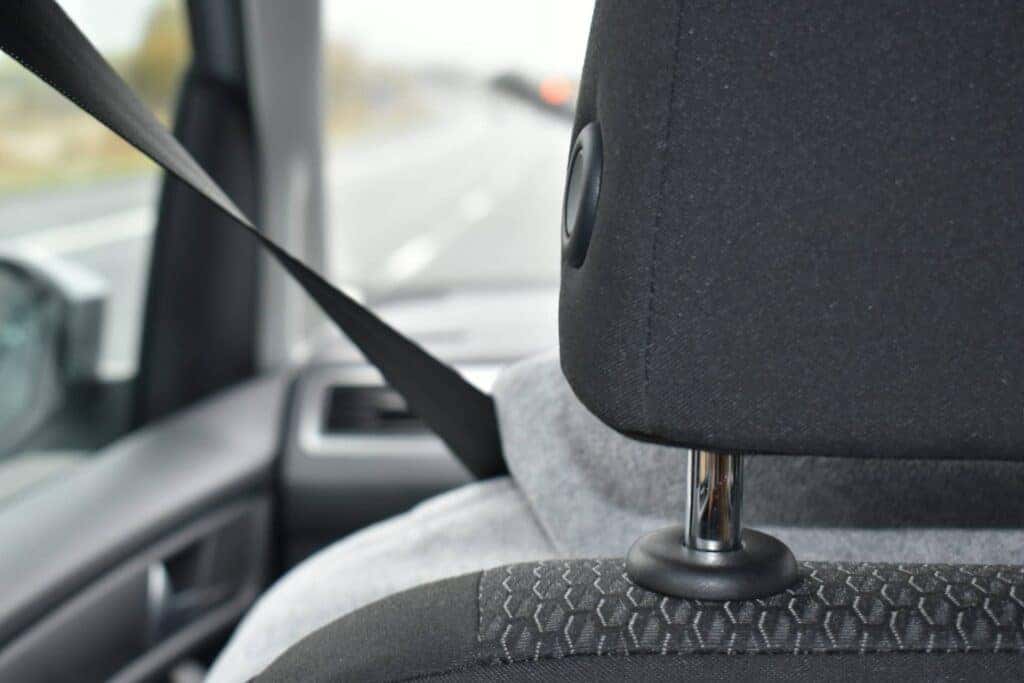
Here’s the safest, most effective way to clean seatbelts without weakening the webbing or upsetting the retractor. Seatbelts are part of your vehicle’s primary safety system, so treat them like safety equipment first and fabric second. Automakers consistently advise gentle cleaners, light moisture, and full air drying. Mazda guidance specifically says to use a mild detergent on soiled belts and to avoid alcohol, bleach, and organic solvents that can stain or degrade the fibers.
Why gentle cleaning matters
Seatbelt webbing is typically a tightly woven polyester designed to be soft along its length yet resistant to stretching across its width. Harsh chemicals can reduce strength, which is why multiple manufacturers warn against bleach, solvents, and dyes. In some cases even aggressive detergents or oversaturation can compromise performance.
What you need
Gather a bucket of warm water, a few drops of mild dish soap or interior-safe fabric cleaner, a soft upholstery brush or toothbrush, and several clean microfiber towels. Avoid solvent-based products and chlorine bleach. Ford, Honda, Kia, and Mazda manuals all caution that bleach, dyes, and chemical solvents can weaken the belt.
Prep the belt
Park in the shade so the belt can air dry after cleaning. Gently pull the belt out to its full length. Clip a clean binder clip or spring clamp near the retractor so the belt stays extended and so you do not introduce moisture directly into the mechanism. Keeping belts clean and dry helps prevent rewinding problems, which is why manuals advise full air drying before retracting.
The safe cleaning method
-
Mix warm water with a few drops of mild soap.
-
Lightly dampen a microfiber towel with the solution. Do not soak the belt.
-
Working from the top down, wipe the belt to lift surface grime.
-
For spots, apply a small amount of the same solution to a soft brush. Agitate gently in short strokes.
-
Immediately blot with a dry towel. Repeat until the stain transfers.
-
Avoid spraying cleaner directly into the retractor area and avoid steam or extraction machines that can saturate the webbing. Mazda cautions against organic solvents, and other OEMs echo that rule, so stick with mild soap and water or a fabric cleaner designed for automotive textiles.
If you prefer an interior-specific cleaner, choose one marketed for seat fabrics and use a light application. Detailers commonly recommend extending and securing the belt so it can air dry fully after spot treatment. The principle is the same as the mild soap method, just make sure the product is fabric safe and not solvent heavy.
Drying the right way
Let the belt air dry while fully extended. Do not use heat guns or hair dryers, and do not retract the belt until it is completely dry. Several manuals advise air drying to avoid moisture in the retractor and to prevent weakening of the fibers. Drying in shade is best for both the fabric and your interior.
Stubborn stains and odors
For food, soda, or coffee, repeat gentle spot cleaning rather than scrubbing hard. For oily stains, multiple light passes with fresh solution work better than one heavy application. If mildew is present, focus on drying and ventilation first and then use the mild soap process across the affected area. Avoid chlorine-based mold removers since bleach can weaken webbing. If staining persists or fraying is visible, have a professional evaluate the belt. Manufacturers warn that bleached or damaged belts should be replaced.
What to avoid
Skip bleach, alcohol, acetone, gasoline, thinner, and dye. Mazda interior care materials and other OEM manuals are explicit that these can discolor, stain, or weaken the fabric. Also avoid pressure washing, steam extraction, or soaking the belt. The goal is to clean the surface and lift contaminants without driving liquid into the fibers or the retractor.
Safety checks after cleaning
Before retracting, run a clean dry towel along the belt. If the towel comes away wet or soapy, keep drying. Inspect for cuts, fraying, glazing, or stiffness. If you see any damage or if the belt fails to retract smoothly after it is fully dry, schedule service. As a safety reminder, seatbelts are essential to crash survival, so if in doubt, replace rather than risk reduced strength.
Local tip for Central Florida drivers
Humidity can slow drying and encourage mildew. Clean on a dry day, crack the windows in a secure spot, and allow extra time for airflow. If you need help, the service team at Sport Mazda South can clean and inspect your belts using manufacturer-safe methods, and they can advise on replacement if webbing is worn or contaminated.
Quick summary
Use mild soap and warm water, clean gently with a soft brush or towel, keep liquids away from the retractor, and air dry fully with the belt extended. Do not use bleach, alcohol, or solvents. Follow these steps and you will keep your seatbelts clean and strong. Mazda and other OEMs consistently recommend this approach because it protects the polyester webbing and the safety performance you rely on every drive.
0 comment(s) so far on What is the Best Way to Clean Seatbelts?