



Mazda Tire Pressure Guide
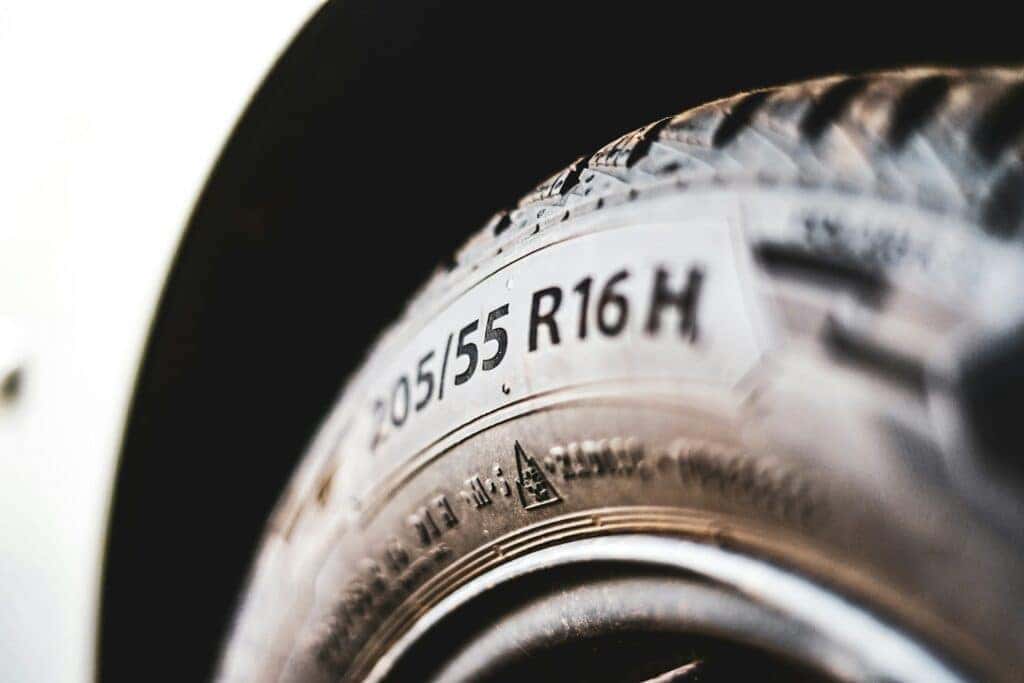
Taking care of your tires is crucial for any Mazda owner. Poor tires can impact your vehicle’s safety, fuel efficiency, and performance. One way to take care of your Mazda’s tires is by monitoring your tire pressure. Below, we’ll go over the recommended pressure levels for various Mazda models, how you can check the tire pressure yourself, and what to do if you’re experiencing problems with your Mazda’s tire pressure.
Mazda Tire Pressure Guide by Model
Your Mazda’s recommended tire pressure will depend on the specific model and the tire size. Here’s a quick guide to help you find the right pressure based on your setup:
- Mazda3: 36 psi
- Mazda6:
- 17-inch wheels: 36 psi
- 19-inch wheels: 35 psi
- Mazda CX-3:
- Front: 36 psi
- Rear: 33 psi
- Mazda CX-30: 36 psi
- Mazda CX-5:
- 17-inch wheels: 34 psi
- 19-inch wheels: 36 psi
- Mazda CX-50:
- 17-inch wheels: 36 psi
- 20-inch wheels: 35 psi
- Mazda CX-70: 36 psi
- Mazda CX-90: 36 psi
- Mazda CX-9:
- 18-inch wheels: 36 psi
- 20-inch wheels: 34 psi
- Mazda MX-30: 36 psi
- Mazda MX-5 Miata: 29 psi
*Always set pressures “cold” and confirm against your specific vehicle’s driver-door placard, which is the final authority for your exact tire size, load rating, and market spec.
To learn more about the recommended tire pressure for your Mazda model, you can consult your owner’s manual.
How To Check Your Mazda’s Tire Pressure
Checking your tire pressure is a fairly simple process. To start, you’ll want to ensure your vehicle has rested for at least three hours. This ensures your tires are cold, as heat can throw off your measurements. Once cool, unscrew the valve cap from your tire.
Next, grab your air pressure gauge and press it over the tire valve. As you do this, the gauge should adjust to the current air pressure. The number on the gauge is your tire’s air pressure. Remove the gauge and put the valve cap back on to complete the process.
On some Mazda vehicles, you may see the current air pressure for all your tires on the driver’s dashboard. Use your owner’s manual to locate the tire pressure monitor, or scroll through the various menus until you find it. This menu is an easy way to keep track of your tire pressure every time you drive. However, when it comes to adding or removing air from your tires, a manual tire pressure gauge is more useful.
How To Adjust Your Tire Pressure
Depending on your reading, you may need to adjust your tire pressure by either adding or removing air. If your tire is low, you’ll want to add air until it meets the recommended pressure. Most tools for inflating tires have a built-in gauge so that you can monitor the progress. If yours doesn’t, use your air pressure gauge every few seconds to determine how much more air you need.
If your pressure is too high, you can bleed some air from the tire by squeezing the metal centerpiece of the tire valve. Hold it for a few seconds, then recheck the pressure with your gauge. Repeat this process until it reaches the recommended level.
Seasonal Tire Pressure Considerations
The weather outside can impact your Mazda’s tire pressure. Cold weather can cause air pressure to drop, while hot weather can cause it to rise. Your vehicle will typically lose about 1 psi for every 10-degree drop in temperature. So, if the temperature drops from 60 degrees in the fall to 20 degrees in the winter, you can expect to lose about 4 psi from your tires. Knowing how the outside temperature affects your tires will help you adjust your tire pressure accordingly.
Warning Signs of Tire Pressure Issues
There are a few warning signs to be on the lookout for that suggest it’s time to inspect your Mazda’s tire pressure. If your vehicle has a tire pressure monitor built into the dashboard, a warning light will illuminate if pressure dips too low or climbs too high.
Beyond this indicator, you may notice some problems while driving. If you have difficulty steering or a significant drop in fuel economy, poor tire pressure could be the culprit. Low tire pressure can also cause a flapping noise to occur while driving.
You can perform a quick visual inspection of your tires to determine if there’s a pressure issue. Tires with improper pressure levels typically wear down unevenly. If a tire’s inside or outside edges have more wear than the others, it could indicate that you need to adjust the tire pressure.
When To Visit Sport Mazda South for Tire Services
Proper tire pressure levels are one of the easier vehicle maintenance tasks. It’s also a good idea to have your Mazda’s tires rotated every 6,000-8,000 miles. At Sport Mazda South, our Mazda technicians can check the pressure levels in each of your tires and look for other signs of problems, such as excessively worn tread.
Between these maintenance visits, it’s a good idea to check your tires at least once a month. Visually inspect the tires to ensure there’s enough tread and that they’re wearing down evenly. We also recommend performing a quick pressure test with your gauge, especially if you don’t have a tire pressure monitor on the dashboard.
Schedule Your Tire Maintenance Visit Today
If your Mazda needs tire maintenance in the Orlando, Florida, area, look no further than Sport Mazda South. Our expert technicians can inspect your tires, properly rotate them, and ensure they always have the right amount of air pressure. Tires are an expensive replacement, but with our help, you can help them last longer and save yourself money. Schedule your next tire service online today or contact us with any questions. We also regularly offer special discounts on tire services to make your visit even more affordable.
vehicle tire by Frank Albrecht is licensed with Unsplash License
0 comment(s) so far on Mazda Tire Pressure Guide